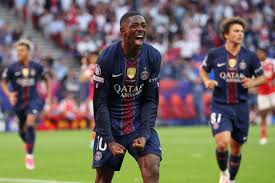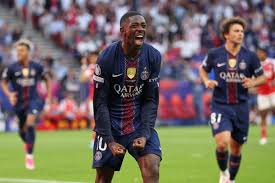
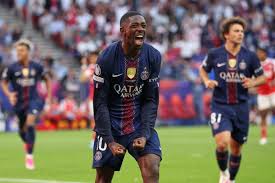
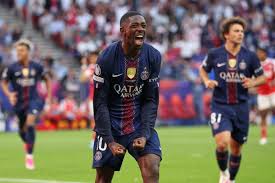
Paris Saint-Germain successfully defended their UEFA Champions League title with a nerve‑shredding penalty shootout victory over Arsenal at the Puskás Aréna in Budapest, winning 4–3 on spot‑kicks after a 1–1 draw across 120 minutes.[1][5] In a final that swung dramatically from one side to the other, Arsenal took an early lead through Kai Havertz before a second‑half penalty from Ousmane Dembélé dragged PSG back into the contest.[1][4] With neither team able to find a winner in extra time, the destiny of the trophy was settled from the spot, where Arsenal’s Gabriel Magalhães missed the decisive kick to hand PSG back‑to‑back European crowns.[1][3] Lightning Start from Arsenal Arsenal, chasing the first Champions League title in their 140‑year history, made the perfect start in Budapest.[1] Mikel Arteta’s side, buoyed by their recently secured Premier League triumph, settled quicker and stunned PSG with a goal inside the opening ten minutes. In the 6th minute, a flowing Arsenal move ended with Kai Havertz finishing clinically to put the Gunners 1–0 up.[1][4] The German forward, who has been central to Arsenal’s evolution under Arteta, stole a march on the PSG defence and converted, giving the English champions both the lead and early confidence. That early strike forced PSG to chase the game. Luis Enrique’s side, aiming to become only the second team in modern Champions League history to retain the title, initially struggled to impose their usual rhythm as Arsenal’s press disrupted their buildup.[3][4] PSG Grow Into the Game As the first half wore on, PSG gradually settled. The French champions began to control possession, with their attacking stars probing the Arsenal back line. Still, clear‑cut chances were limited, and Arsenal reached the interval with their slender advantage intact, thanks in part to disciplined defending and smart game management. After the break, PSG increased the tempo. They pushed Arsenal deeper, stretching the play and targeting the spaces between the lines. The turning point arrived midway through the second half when Georgian winger Khvicha Kvaratskhelia, a major attacking threat for PSG, burst into the box and drew a foul from Arsenal defender Cristhian Mosquera.[4] The referee pointed to the spot, and the momentum of the final shifted. Dembélé’s Equaliser from the Spot In the 65th minute, Ousmane Dembélé, PSG’s Ballon d’Or winner and talismanic forward, stepped up to take the penalty.[1][2] Facing immense pressure, Dembélé calmly converted from 12 yards, sending the goalkeeper the wrong way and levelling the match at 1–1.[1][4] The equaliser ignited the PSG supporters and shifted the psychological balance. From that moment, the holders looked the more assertive side, pushing for a winner while Arsenal, having led for almost an hour, tried to re‑establish control. Extra Time: Tension Overcomes Quality Neither team could land the decisive blow in the final 25 minutes of normal time, sending the game into extra time.[4][5] Fatigue and tension became increasingly visible. Rather than an open, end‑to‑end contest, extra time was a cagey affair, with both sides wary of making the mistake that would cost them the trophy. PSG looked marginally more dangerous, circulating the ball patiently and probing around the Arsenal area, while the Gunners threatened sporadically on the break. Defenders on both sides produced crucial interventions, and goalkeepers remained alert, but the final pass and finish were missing as the clock ticked down.[3][4] With exhaustion setting in and neither side able to manufacture a clear opening, the referee’s whistle at the end of extra time confirmed that the 2025–26 Champions League would be decided by penalties.[5] The Penalty Shootout Drama The shootout encapsulated the drama of the entire night. PSG and Arsenal exchanged successful spot‑kicks in the early rounds, with tension steadily rising in the stadium packed with more than 60,000 supporters.[5] Over the course of the shootout, PSG converted four of their five penalties, while Arsenal managed only three.[1][5] The turning point came when Arsenal’s Eberechi Eze, one of their standout performers this season, saw his effort fail to find the net.[1] That miss tilted the balance towards PSG and piled pressure onto Arsenal’s remaining takers. The decisive moment arrived with Arsenal defender Gabriel Magalhães. Needing to score to keep Arsenal alive, Gabriel stepped up but fired his penalty over the crossbar, sending the PSG players and fans into delirium and leaving the Gunners devastated.[1][3][5] History for PSG, Heartbreak for Arsenal PSG’s 4–3 shootout victory secured their second successive Champions League title, confirming their status as Europe’s dominant force over the past two seasons.[1][3][5] They became just the second club in the modern era to win back‑to‑back Champions League trophies, following in the footsteps of Real Madrid’s 2017–18 side.[3][5] For Arsenal, the defeat was particularly painful. Having ended a 22‑year wait for a Premier League title earlier in the season, Arteta’s team arrived in Budapest with genuine belief that they could complete a historic double.[3] Instead, their long quest for a first European crown continues, their hopes undone not by the quality of their football but by the unforgiving lottery of penalties. The performance, though, underlined Arsenal’s resurgence on the European stage: an early lead in a Champions League final, a disciplined display over 120 minutes, and a campaign that restored the club’s status among the continent’s elite.[3][4] A Final to Remember The 2026 final in Budapest will be remembered as a tense, tactical battle, illuminated by moments of individual brilliance and defined by slender margins. Havertz’s early strike, Dembélé’s nerveless penalty, Mosquera’s costly foul, and Gabriel’s wayward spot‑kick each became key chapters in a gripping narrative that ultimately saw PSG lift the trophy once more.[1][3][4] For PSG, it cements a golden era in the club’s history. For Arsenal, it is another night of European heartbreak—but also a platform on which to build, knowing they came within a single kick of rewriting their continental story.
Paris Saint-Germain successfully defended their UEFA Champions League title with a nerve‑shredding penalty shootout victory over Arsenal at the Puskás Aréna in Budapest, winning 4–3 on spot‑kicks after a 1–1 draw across 120 minutes.[1][5] In a final that swung dramatically from one side to the other, Arsenal took an early lead through Kai Havertz before a second‑half penalty from Ousmane Dembélé dragged PSG back into the contest.[1][4] With neither team able to find a winner in extra time, the destiny of the trophy was settled from the spot, where Arsenal’s Gabriel Magalhães missed the decisive kick to hand PSG back‑to‑back European crowns.[1][3] Lightning Start from Arsenal Arsenal, chasing the first Champions League title in their 140‑year history, made the perfect start in Budapest.[1] Mikel Arteta’s side, buoyed by their recently secured Premier League triumph, settled quicker and stunned PSG with a goal inside the opening ten minutes. In the 6th minute, a flowing Arsenal move ended with Kai Havertz finishing clinically to put the Gunners 1–0 up.[1][4] The German forward, who has been central to Arsenal’s evolution under Arteta, stole a march on the PSG defence and converted, giving the English champions both the lead and early confidence. That early strike forced PSG to chase the game. Luis Enrique’s side, aiming to become only the second team in modern Champions League history to retain the title, initially struggled to impose their usual rhythm as Arsenal’s press disrupted their buildup.[3][4] PSG Grow Into the Game As the first half wore on, PSG gradually settled. The French champions began to control possession, with their attacking stars probing the Arsenal back line. Still, clear‑cut chances were limited, and Arsenal reached the interval with their slender advantage intact, thanks in part to disciplined defending and smart game management. After the break, PSG increased the tempo. They pushed Arsenal deeper, stretching the play and targeting the spaces between the lines. The turning point arrived midway through the second half when Georgian winger Khvicha Kvaratskhelia, a major attacking threat for PSG, burst into the box and drew a foul from Arsenal defender Cristhian Mosquera.[4] The referee pointed to the spot, and the momentum of the final shifted. Dembélé’s Equaliser from the Spot In the 65th minute, Ousmane Dembélé, PSG’s Ballon d’Or winner and talismanic forward, stepped up to take the penalty.[1][2] Facing immense pressure, Dembélé calmly converted from 12 yards, sending the goalkeeper the wrong way and levelling the match at 1–1.[1][4] The equaliser ignited the PSG supporters and shifted the psychological balance. From that moment, the holders looked the more assertive side, pushing for a winner while Arsenal, having led for almost an hour, tried to re‑establish control. Extra Time: Tension Overcomes Quality Neither team could land the decisive blow in the final 25 minutes of normal time, sending the game into extra time.[4][5] Fatigue and tension became increasingly visible. Rather than an open, end‑to‑end contest, extra time was a cagey affair, with both sides wary of making the mistake that would cost them the trophy. PSG looked marginally more dangerous, circulating the ball patiently and probing around the Arsenal area, while the Gunners threatened sporadically on the break. Defenders on both sides produced crucial interventions, and goalkeepers remained alert, but the final pass and finish were missing as the clock ticked down.[3][4] With exhaustion setting in and neither side able to manufacture a clear opening, the referee’s whistle at the end of extra time confirmed that the 2025–26 Champions League would be decided by penalties.[5] The Penalty Shootout Drama The shootout encapsulated the drama of the entire night. PSG and Arsenal exchanged successful spot‑kicks in the early rounds, with tension steadily rising in the stadium packed with more than 60,000 supporters.[5] Over the course of the shootout, PSG converted four of their five penalties, while Arsenal managed only three.[1][5] The turning point came when Arsenal’s Eberechi Eze, one of their standout performers this season, saw his effort fail to find the net.[1] That miss tilted the balance towards PSG and piled pressure onto Arsenal’s remaining takers. The decisive moment arrived with Arsenal defender Gabriel Magalhães. Needing to score to keep Arsenal alive, Gabriel stepped up but fired his penalty over the crossbar, sending the PSG players and fans into delirium and leaving the Gunners devastated.[1][3][5] History for PSG, Heartbreak for Arsenal PSG’s 4–3 shootout victory secured their second successive Champions League title, confirming their status as Europe’s dominant force over the past two seasons.[1][3][5] They became just the second club in the modern era to win back‑to‑back Champions League trophies, following in the footsteps of Real Madrid’s 2017–18 side.[3][5] For Arsenal, the defeat was particularly painful. Having ended a 22‑year wait for a Premier League title earlier in the season, Arteta’s team arrived in Budapest with genuine belief that they could complete a historic double.[3] Instead, their long quest for a first European crown continues, their hopes undone not by the quality of their football but by the unforgiving lottery of penalties. The performance, though, underlined Arsenal’s resurgence on the European stage: an early lead in a Champions League final, a disciplined display over 120 minutes, and a campaign that restored the club’s status among the continent’s elite.[3][4] A Final to Remember The 2026 final in Budapest will be remembered as a tense, tactical battle, illuminated by moments of individual brilliance and defined by slender margins. Havertz’s early strike, Dembélé’s nerveless penalty, Mosquera’s costly foul, and Gabriel’s wayward spot‑kick each became key chapters in a gripping narrative that ultimately saw PSG lift the trophy once more.[1][3][4] For PSG, it cements a golden era in the club’s history. For Arsenal, it is another night of European heartbreak—but also a platform on which to build, knowing they came within a single kick of rewriting their continental story.
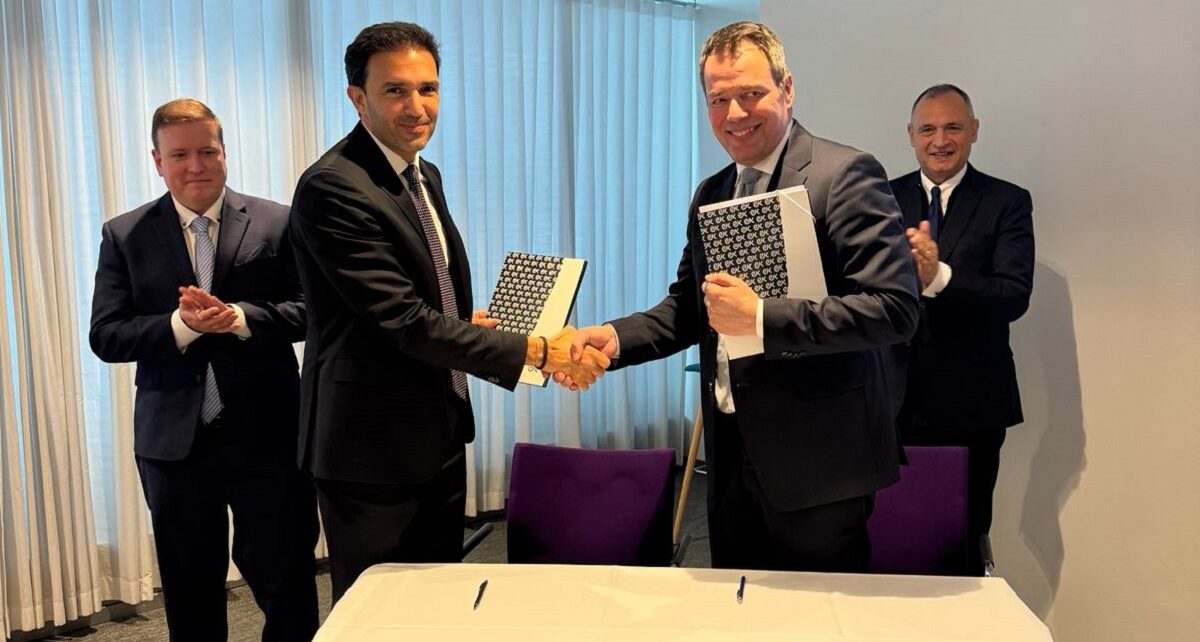
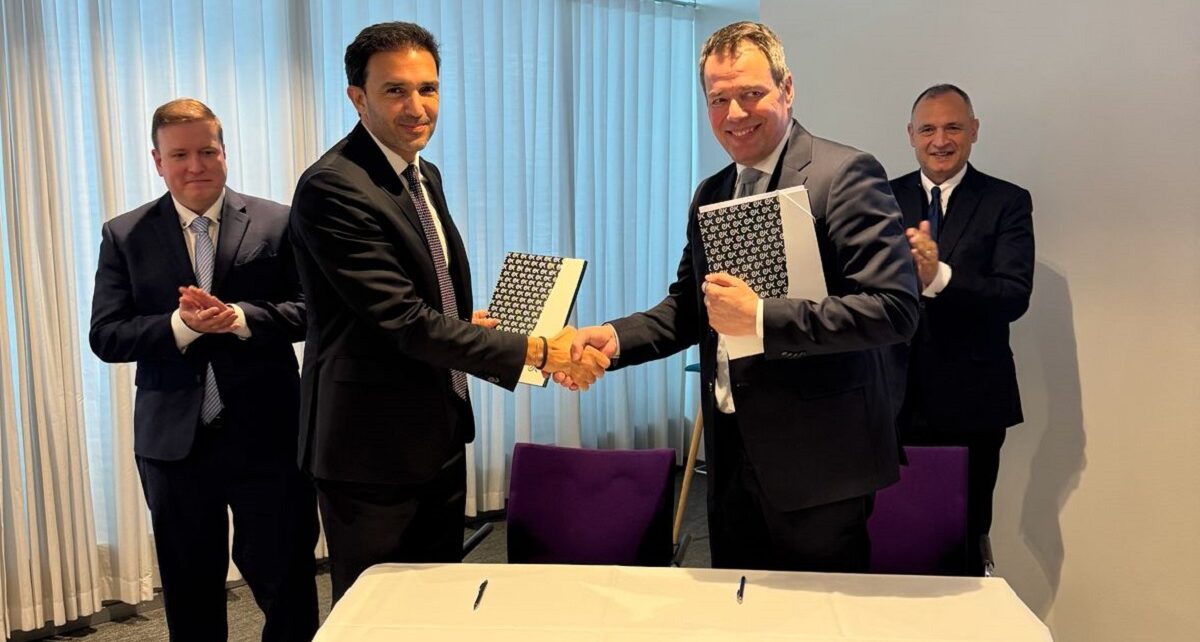
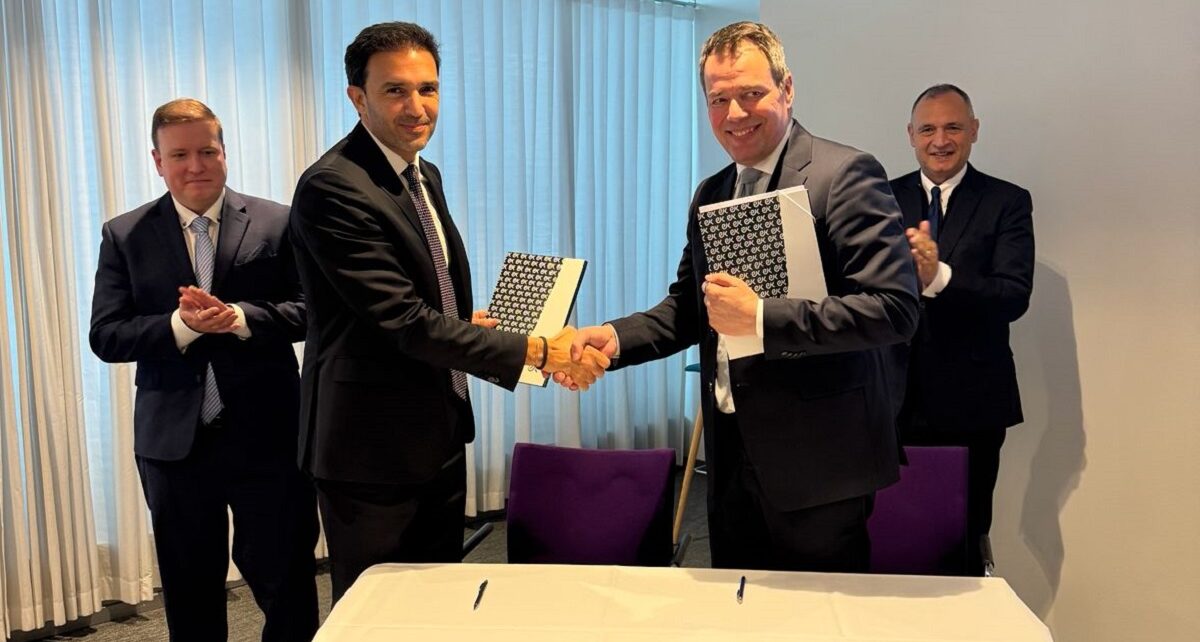
The General Confederation of Moroccan Enterprises (CGEM) and the Confederation of Finnish Industries (EK) signed a landmark partnership agreement in Helsinki, establishing the Morocco-Finland Business Council as a permanent bilateral platform for private-sector dialogue, trade facilitation, and co-investment development. The new Business Council will serve as the primary institutional interface between the Moroccan and Finnish private sectors, providing a structured forum for companies from both countries to explore trade opportunities and develop joint ventures. Priority sectors include clean energy, digital innovation, sustainable forestry, and healthcare. Finnish firms have shown growing interest in Morocco's energy transition market, drawn by the country's exceptional solar and wind resources and its ambitious target of reaching 52% renewable electricity by 2030. For Morocco, the partnership with Finland represents an important step in its strategy of building a diverse portfolio of European economic relationships, complementing existing close ties with France, Spain, Germany, and Italy. CGEM President Alj described the signing as "a concrete expression of Morocco's opening to the world" and pledged that a first joint business forum would be planned for Casablanca later in 2026.
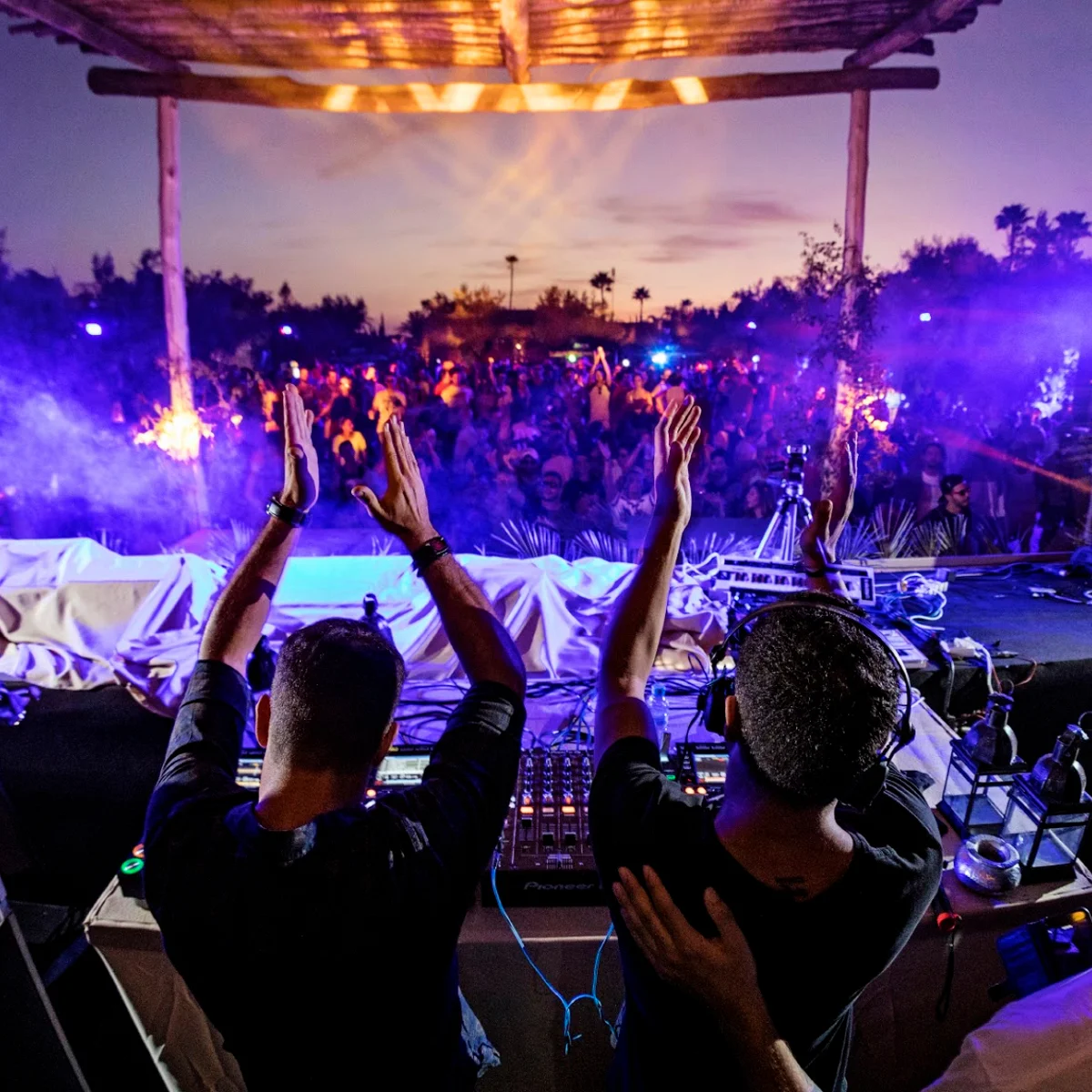
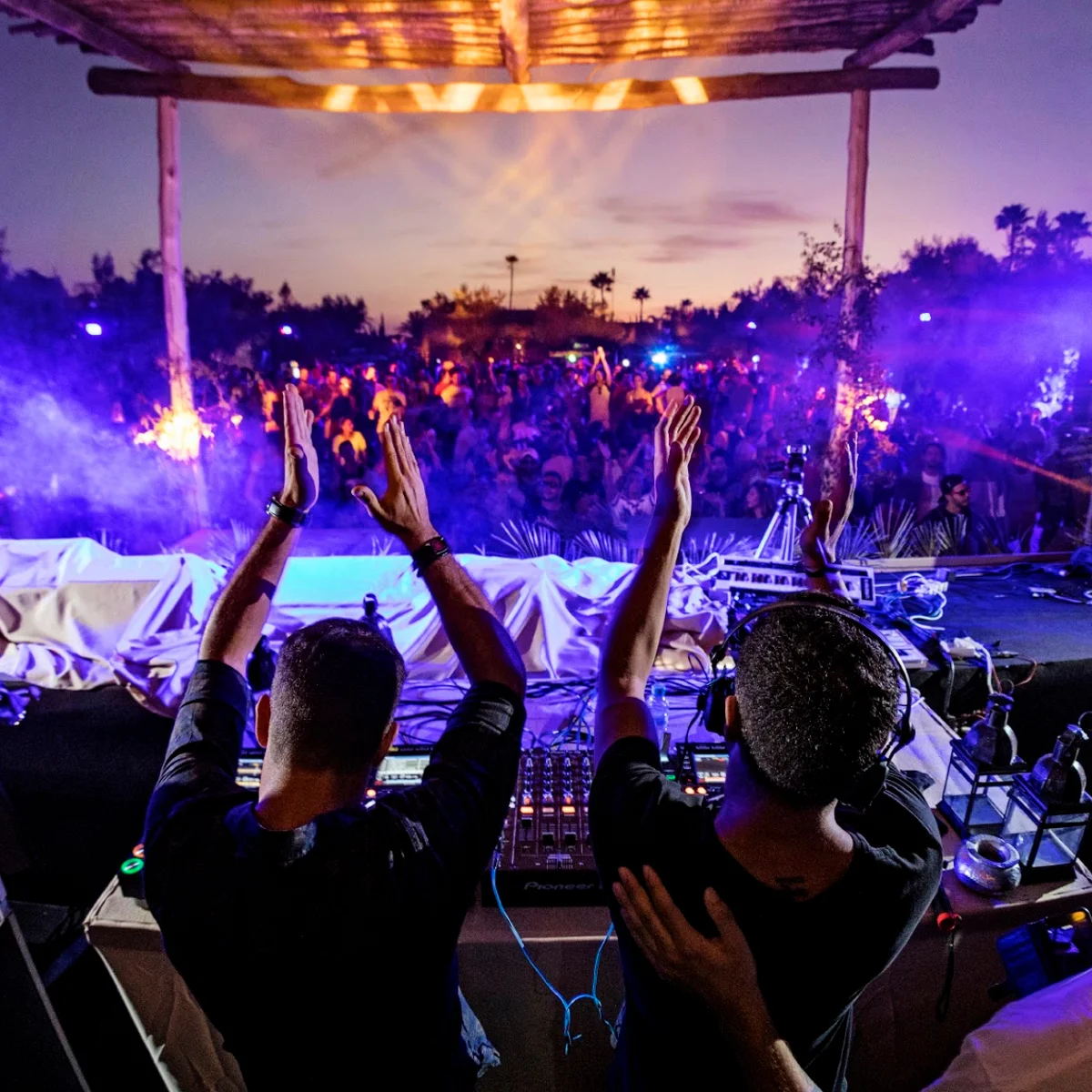
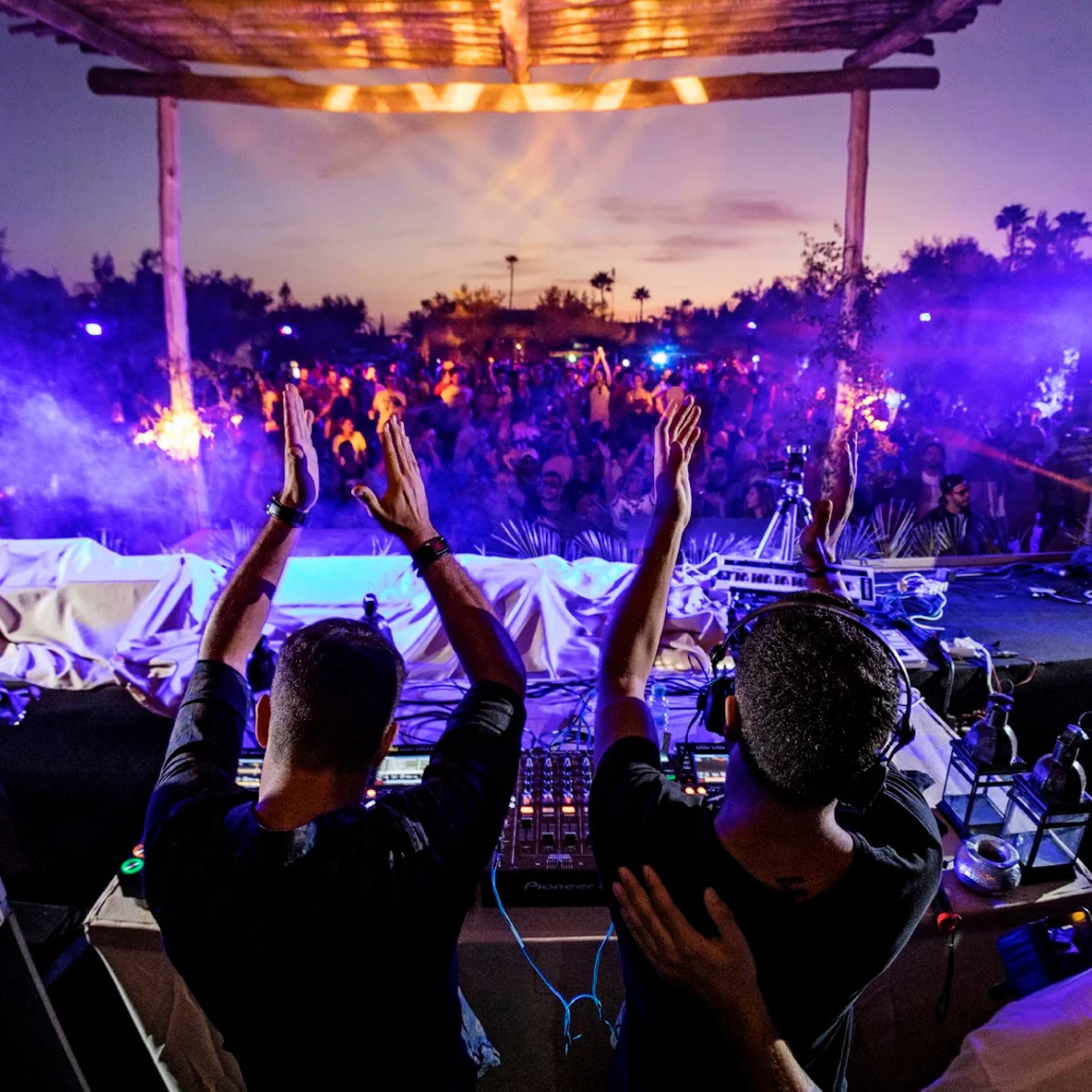
Morocco’s live music scene has been steadily growing, and its latest major pop concert drew thousands of fans to the country’s coastal venues, confirming once again that North Africa is becoming a key stop on the global touring map.[2] The event brought together high-energy performances, cutting-edge stage production, and a distinctly Moroccan crowd atmosphere that blended local culture with international pop trends. A Festival-Style Pop Experience on Morocco’s Coast The latest large-scale pop event formed part of a broader summer concert series that travels through several Moroccan coastal cities over multiple weeks, turning beaches and seafronts into open-air stages.[2] The series, now in its 21st edition, stretches from mid-July to late August and is designed as a free or low-cost live music experience accessible to a wide audience.[2] While the line-up includes artists from a range of genres, pop acts have become the strongest draw, attracting young fans from across the country. According to coverage of the festival, stages are set up in multiple cities, allowing artists to perform in Casablanca, Rabat, Tangier, Agadir, and other coastal spots as the event moves along the Atlantic and Mediterranean shorelines.[2] Each stop effectively feels like a one-night pop festival, with headliners, supporting acts, and DJs playing late into the night. Line-Up: Moroccan Pop Meets Global Sounds The concert’s programming reflects the broader evolution of Morocco’s music landscape, where pop now sits alongside traditional chaabi, Amazigh music, and hip-hop as a mainstream force.[3] Local pop performers who blend Arabic, French, and English lyrics have become the backbone of these shows, often backed by full bands and dancers. The festival format also leaves room for international artists touring the region, although their presence can vary year to year depending on tour schedules and budgets.[2] Among the acts that have helped shape the current scene are Moroccan DJs and producers who bring pop-adjacent electronic sets to the stage, turning portions of the night into a hybrid pop–EDM party. Listings for upcoming events in cities like Marrakesh highlight performers such as Cee ElAssaad and Enzo Siffredi, whose sets, while rooted in house and electronic music, share the same dance-focused energy as mainstream pop shows.[1] Their popularity underscores how audiences in Morocco move fluidly between genres, as long as the music is melodic and club-ready. Stage Design, Sound, and Production Quality Production values at Morocco’s latest major pop concert matched those of mid-scale European summer festivals. The coastal festival series features large professional stages, LED screens, and programmed light shows synchronized with the music.[2] Environmental factors—especially strong sea breezes—can complicate sound engineering at beach sites, but organizers have invested in powerful PA systems and experienced technicians to maintain clarity and volume over large open areas.[2] Stage design emphasizes openness and visibility, with elevated platforms providing sight lines from far back on the beach. Screens on both sides of the main stage broadcast close-ups of singers, drummers, and dancers, making it possible for fans at a distance to stay visually engaged. The atmosphere once the sun sets—colored beams, video backdrops, and moving lights sweeping across the sea mist—amplifies the sense of a world-class pop spectacle. Crowd Atmosphere: Youth Culture on Display The crowd at the latest pop concert was dominated by teenagers and people in their 20s, many of whom traveled from inland cities to catch the coastal shows.[2] Families with children also attended, taking advantage of the open-air, public setting. According to reporting on the beach festival series, security and crowd management have become more structured over the years, with designated areas, barriers, and controlled entry points to keep large gatherings safe.[2] The mood, however, remains informal and celebratory. Concertgoers often arrive hours early to claim spots near the front, and waves of smartphone lights accompany slower ballads and emotional pop anthems. Chants of artists’ names, call-and-response sections during choruses, and spontaneous group dancing reflect a participatory culture more common to festivals than to seated indoor shows. In some performances in Rabat, for example, local musicians have encouraged the audience to clap and sing along with familiar melodies, blending concert and communal celebration.[5] Integration of Local Culture While international-style pop dominates the bill, organizers regularly incorporate Moroccan elements into the program. Coverage of events across the country notes that evening shows frequently feature traditional music, Amazigh rhythms, or folkloric dance as part of the entertainment mix, particularly in tourist-focused experiences.[3] This pattern appears in larger coastal concerts as well, where opening acts or interludes may feature local percussion ensembles or fusions of pop with gnawa or chaabi influences. This cultural layering is not cosmetic; it helps ground an otherwise globalized pop sound in its local context. Audiences respond strongly when familiar rhythms or traditional instruments like the guembri appear in arrangements, even when the main structure of the song remains firmly in the pop idiom. The result is a musical identity that is recognizably Moroccan yet in constant conversation with international trends. Economic and Cultural Impact The latest large pop concert, as part of the recurring beach festival, also has a clear economic dimension. By moving through multiple cities, the series supports seasonal tourism, food vendors, and local services in each stop.[2] Hotels, cafes, and beachfront businesses benefit from the influx of visitors, especially on performance nights. Culturally, such events function as platforms for emerging Moroccan pop and electronic artists. Listings for Marrakesh and other cities show a growing roster of local performers booked regularly at clubs and venues, signaling that the concert ecosystem extends beyond a single festival season.[1][3] Exposure at big coastal shows can lead to additional bookings, collaborations, and festival invitations in other parts of the country. Morocco’s Place on the Global Pop Touring Map While Morocco is best known internationally for major events like the Mawazine festival in Rabat, which has historically hosted global pop stars, the current generation of coastal pop concerts and regional festivals demonstrates a shift from one-off mega-events to a more sustained annual circuit.[2][3] Upcoming calendars list multiple concerts, festivals, and cultural nights around the country, spanning genres from rock and pop to jazz and hip-hop.[1][3] The latest beachside pop concert, therefore, is not an isolated event but part of an expanding infrastructure of live music in Morocco. As organizers refine production, cultivate local talent, and attract larger crowds, Morocco’s coastal stages are increasingly positioned to welcome more international pop tours alongside homegrown stars.
Overlooking the Atlantic Ocean and straddling the Bou Regreg River, the Moroccan capital of Rabat combines centuries of history with a relaxed coastal atmosphere and well‑planned modern districts.[4][6] Recognized as a UNESCO World Heritage city for its blend of Islamic and French‑colonial heritage, Rabat offers visitors monumental architecture, archaeological treasures, lush gardens and lively traditional quarters.[3][4] Kasbah of the Udayas: The Blue and White Citadel One of Rabat’s most iconic sights is the Kasbah of the Udayas (also written Oudaias), a 12th‑century fortified citadel perched high above the mouth of the Bou Regreg River.[3][4][5] Within its imposing medieval walls lies a picturesque neighborhood of narrow cobbled lanes, cobalt‑blue and whitewashed houses, and flower‑filled doorways, often described as a “little blue city” within the capital.[2][3][5] Visitors enter through the monumental Bab Oudaya gate and wander through streets that open onto sweeping views of the Atlantic Ocean and the neighboring city of Salé.[3][4][7] The kasbah marks the historic heart of Rabat and is considered by many travel writers as a must‑see attraction for first‑time visitors.[3][4] Andalusian Gardens: A Green Refuge Inside the Kasbah Just inside the Kasbah of the Udayas lies the serene Andalusian Gardens, a walled garden created during the French protectorate and planted with classic Andalusian species such as orange and lemon trees, roses and hibiscus.[2][7] These shaded paths and geometric flowerbeds offer a cool retreat from the city, with the sound of fountains and birdsong replacing the bustle of the medina.[2][7] The gardens sit near the Oudaias Craft Museum and are also home to the National Jewellery Museum, adding a cultural dimension to the visit.[4] Many travelers highlight this enclave as one of the most unexpectedly charming corners of Rabat, ideal for a quiet stroll or a pause between sightseeing stops.[2] Hassan Tower and the Esplanade of Columns On a vast esplanade in northeastern Rabat rises the Hassan Tower, the unfinished minaret of what was intended to be the largest mosque in the world in the 12th century.[2][3][5][7] Commissioned by Sultan Yacoub el‑Mansour around 1195, the project halted after his death, leaving a 44‑meter‑high tower surrounded by the stumps of more than 200 stone columns that mark the outline of the uncompleted mosque.[2][5][7] Despite its unfinished state, the site has become one of Rabat’s defining symbols and a key stop on any city tour.[5][9][10] In 2012, the complex was included within Rabat’s UNESCO World Heritage designation, recognizing both its historical importance and its role in the city’s monumental skyline.[2][5] Mausoleum of Mohammed V: Masterpiece of Modern Islamic Architecture Opposite Hassan Tower stands the gleaming Mausoleum of Mohammed V, built after the death of King Mohammed V, the monarch associated with Morocco’s independence in 1961.[2][3][4][7] This richly decorated structure, clad in white stone and topped with a green tiled roof, houses the tombs of Mohammed V and his sons, including King Hassan II.[2][4][7] Visitors can view the royal tombs from a balcony above the burial chamber, admiring intricate zellij tilework, carved plaster and gilded ceilings that showcase Moroccan craftsmanship.[2][4] The mausoleum is notable as one of the few religious sites in the country that non‑Muslim tourists are permitted to enter, making it an essential stop for those interested in Islamic art and architecture.[2][4] Chellah: Roman Ruins and a Medieval Necropolis Just outside the city center, the fortified site of Chellah offers a striking encounter with Rabat’s ancient past.[2][4][6] Overlooking the Bou Regreg valley, this area was first occupied by Phoenicians in the 3rd century BCE and later developed as a Roman town, traces of which remain in roads, inscriptions and mosaic fragments.[2][4] In the 14th century, the Marinid dynasty transformed Chellah into a necropolis, constructing a mosque, minaret, tombs and gardens within the old walls.[4][6] Today, visitors walk among tumbled Roman columns, ruined Islamic buildings and overgrown orchards where storks nest on the minaret and walls, creating an evocative blend of archaeology and nature.[2][4][6] The site is widely recommended as one of Rabat’s most atmospheric attractions. The Medina and Souks: Everyday Life in the Old City At the heart of Rabat lies its historic medina, smaller and more relaxed than those of Marrakech or Fes but similarly recognized as part of the city’s UNESCO World Heritage listing.[2][3][4] Within its walls, narrow streets are lined with shops selling textiles, leather goods, spices, ceramics and everyday items for locals.[2] Travelers often appreciate Rabat’s medina for its manageable scale and less intense atmosphere, making it an accessible place to experience Moroccan street life, bargain for souvenirs or sit at a café and watch the city go by.[2] Nearby, the old market and surrounding streets link the medina with newer boulevards, illustrating Rabat’s blend of tradition and modernity.[1][4] Royal Palace and Modern Cultural Sites Rabat is also the seat of the Moroccan monarchy, and the Royal Palace of Rabat (Dar al‑Makhzen) remains the official residence of the royal family.[2][4][7] Located between the Quartier des Orangers and the Agdal‑Ryad districts, the palace complex is not open for interior visits, but its gates, ceremonial guards and surrounding administrative buildings form part of many city tours.[4][7] Beyond its historical monuments, the capital features several significant cultural institutions, including the Museum Mohammed VI of Modern and Contemporary Art, as well as other museums and galleries that reflect Rabat’s role as a cultural hub.[6][9] Festivals such as the Mawazine World Music Festival further reinforce the city’s reputation as a vibrant, living capital.[5][6] Beaches, Gardens and Coastal Leisure Rabat’s location on the Atlantic coast gives it a long stretch of well‑equipped beaches, popular with residents and visitors for swimming, sunbathing and particularly surfing.[6][7] Rabat Beach, on the northwest side of the city, is regularly cited among the main recreational areas for water sports.[7] Within and around the city, numerous green spaces add to the quality of life, including the botanical test garden and the Exotic Gardens of Bouknadel a short distance away.[6] These parks, together with the coastal promenade and marina along the Bou Regreg, complete the picture of Rabat as both a historic capital and a pleasant city to live in and explore.[4][6][9]
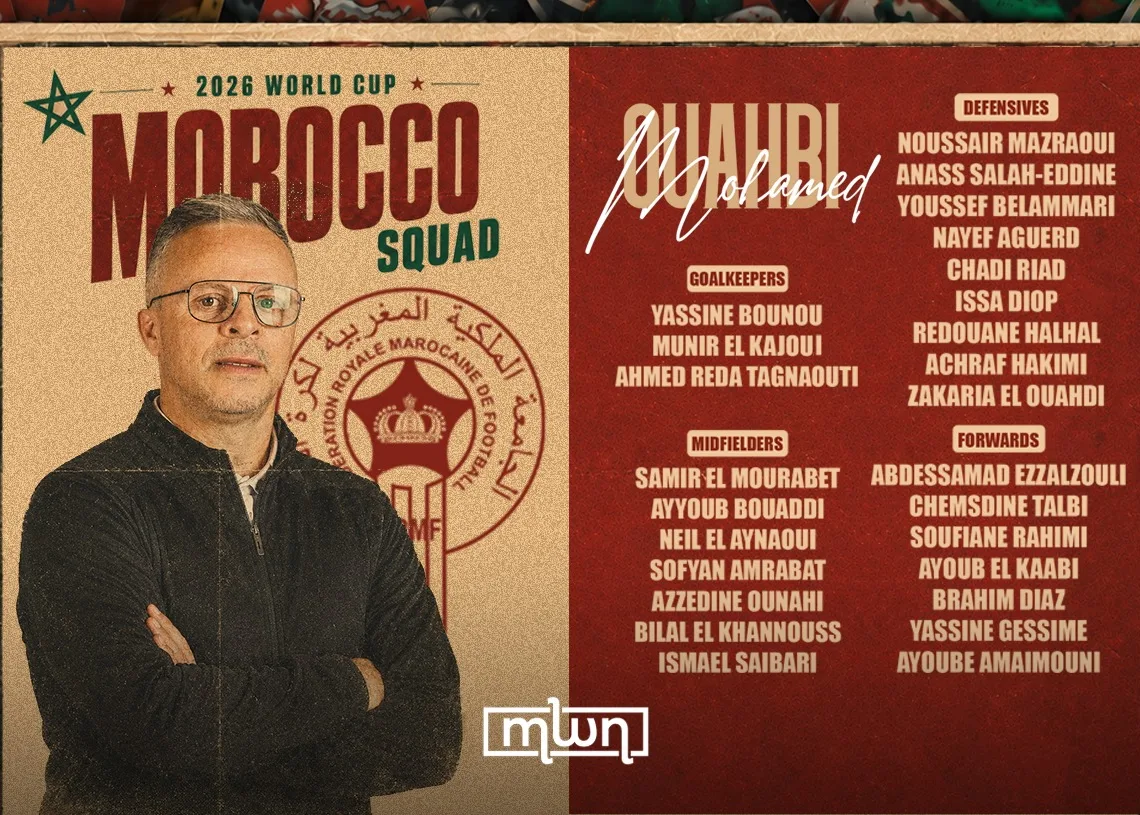
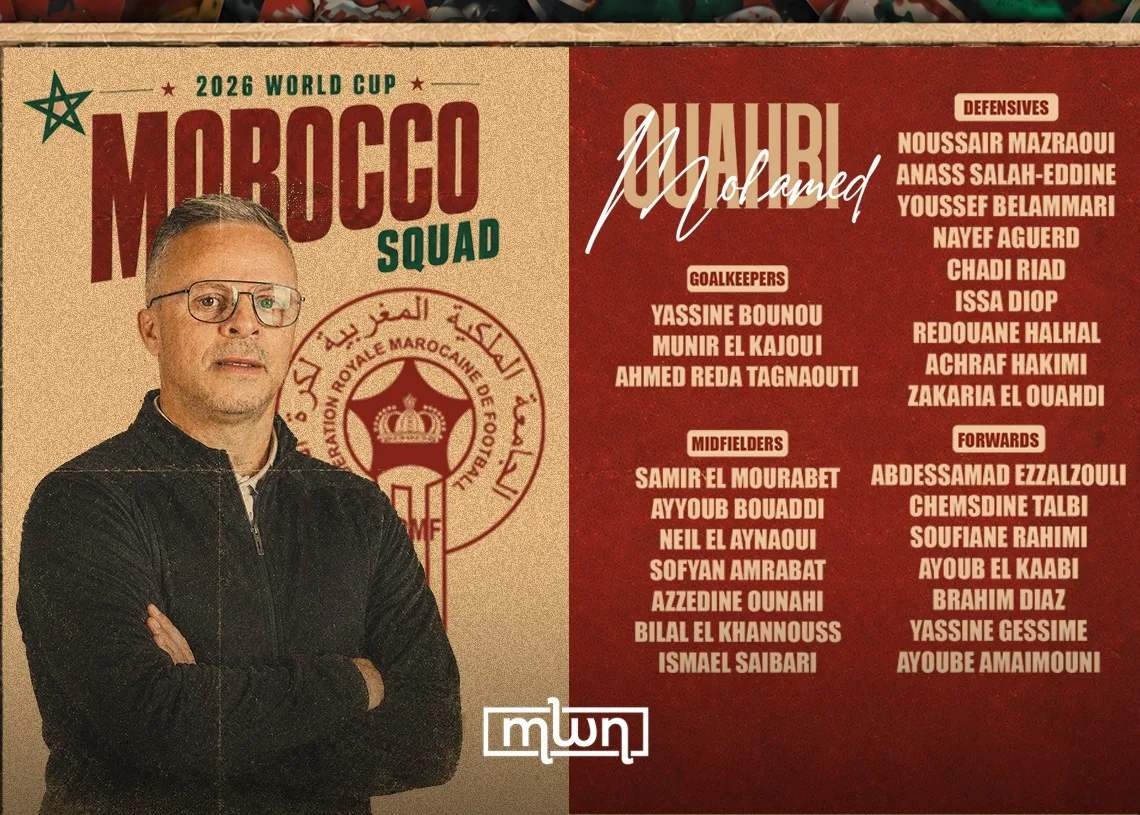
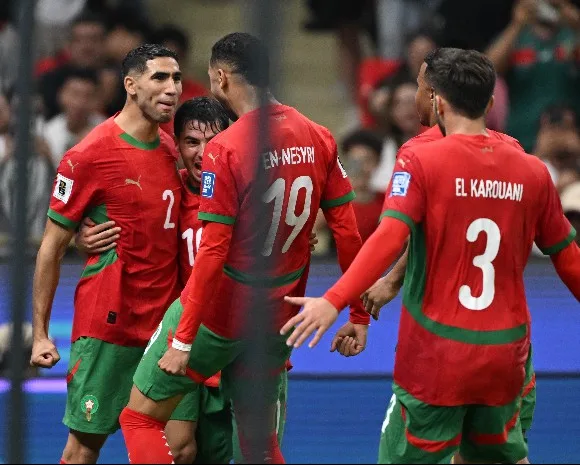
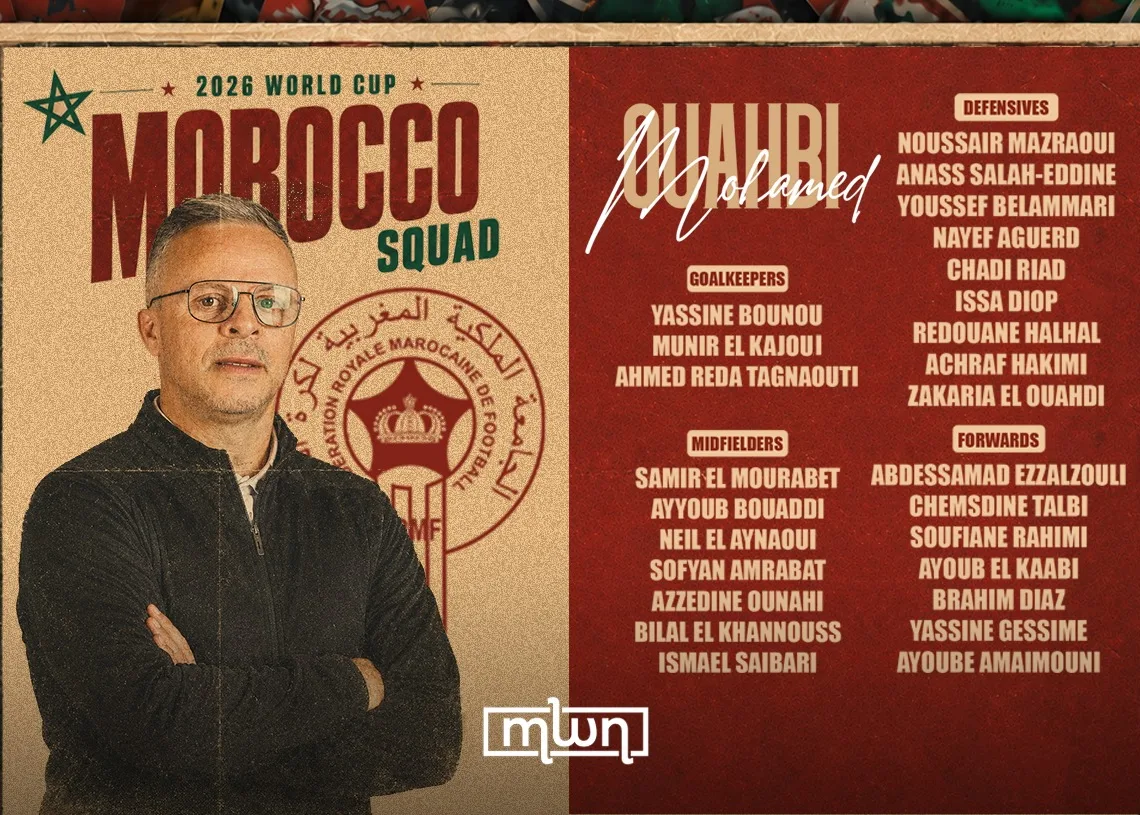
Rabat – Morocco head coach Mohamed Ouahbi has officially unveiled the final squad list for the 2026 FIFA World Cup, confirming a balanced group that blends experience, young talent, and tactical versatility. The announcement ends weeks of anticipation, as fans waited to see which players would be making the prestigious trip to football’s biggest stage. The final selection features traditional pillars of the national team, including star goalkeeper Yassine Bounou, as well as fellow goalkeepers Munir El Kajoui and Ahmed Reda Tagnaouti. The full list of the players is as follows: Goalkeepers YASSINE BOUNOU MUNIR EL KAJOUI AHMED REDA TAGNAOUTI Defenders NOUSSAIR MAZRAOUI ANASS SALAH-EDDINE YOUSSEF BELAMMARI NAYEF AGUERD CHADI RIAD ISSA DIOP REDOUANE HALHAL ACHRAF HAKIMI ZAKARIA EL OUAHDI Midfielders SAMIR EL MOURABET AYYOUB BOUADDI NEIL EL AYNAOUI SOFYAN AMRABAT AZZEDINE OUNAHI BILAL EL KHANNOUSS ISMAEL SAIBARI Forwards ABDESSAMAD EZZALZOULI CHEMSDINE TALBI SOUFIANE RAHIMI AYOUB EL KAABI BRAHIM DIAZ YASSINE GESSIME AYOUBE AMAIMOUNI As part of its preparatory campaign ahead of the World Cup, Morocco is scheduled to play two friendly matches against Madagascar on June 2 and Norway on June 7. Morocco already played its first friendly today, dominating the match 5-0. The Atlas Lions are currently ranked 8th in the FIFA rankings, making them the highest-ranked African national team. All eyes are now on the national team, with fans eager to see them roar again and replicate the historic 2022 World Cup run, where Morocco became the first Arab and African team to reach the semi-finals. Morocco is in Group C, alongside Brazil, with the match scheduled for June 13. June 19 will feature Morocco vs Scotland, followed by Morocco vs Haiti on June 24. Many see the group as manageable, but observers emphasize that no match is easy at the World Cup, where all underdog teams will be striving to become the new Morocco by replicating the Atlas Lions’ historic run in 2022.
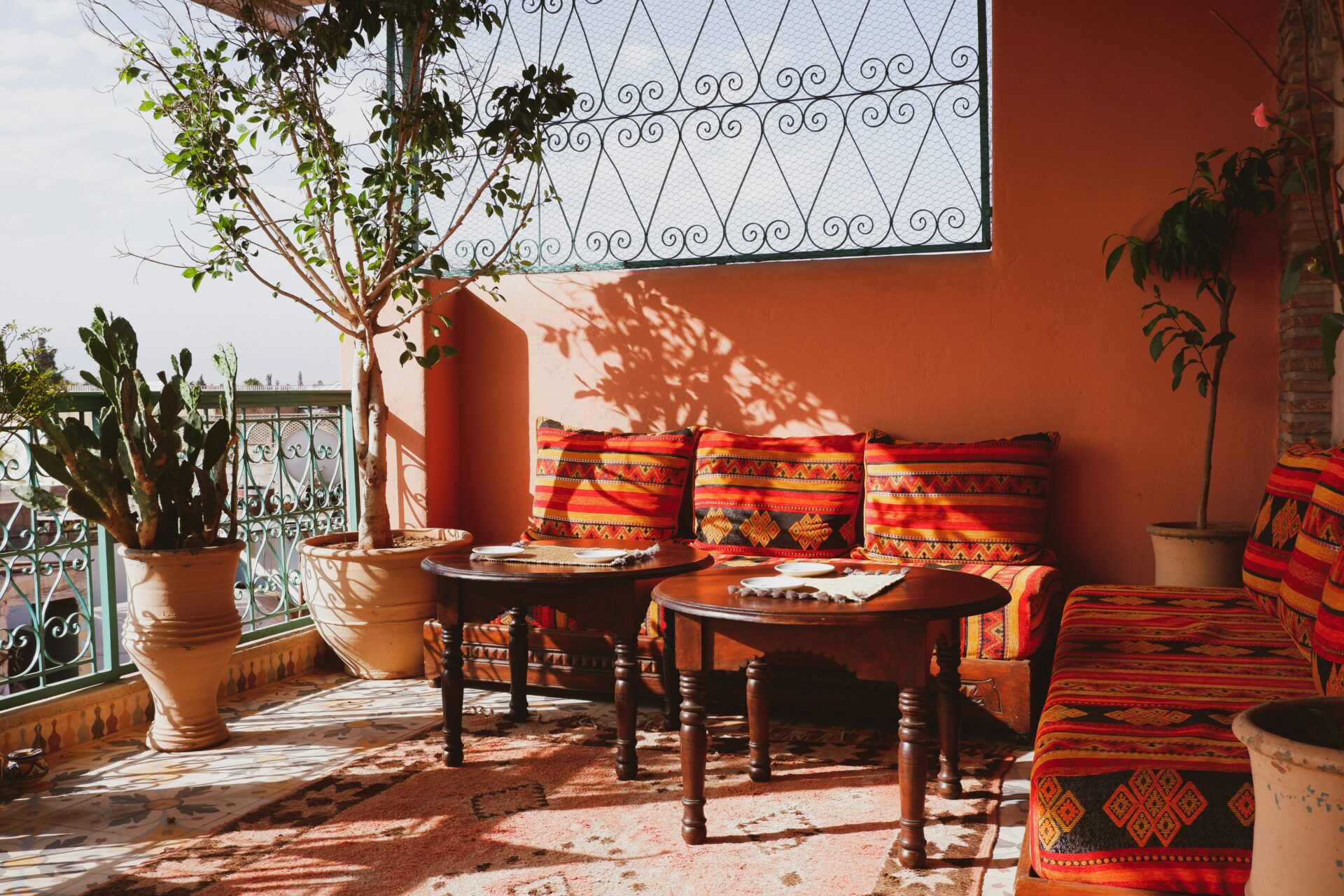
Morocco has cemented its position as Africa's most visited country in 2026, welcoming over 4.3 million international tourists in the first three months of the year alone — a record-breaking performance. The figures reflect strategic government investment, expanded air connectivity, World Cup preparation buzz, and Morocco's growing reputation as a safe, accessible, and culturally rich destination. Strategic government investment in tourism infrastructure has been a key driver of the surge. Over the past two years, Morocco has significantly upgraded its airports, added thousands of hotel rooms, and developed new tourist zones across the country. Tourism receipts are rising even faster than visitor numbers. The ministry reported that tourism earnings reached MAD 124 billion ($13.6 billion) by the end of November 2025 — up 19% year on year. Morocco's visitor base is notably diverse, drawing heavily from Europe but with rapidly growing segments from North America, the Gulf, and Asia. The country is targeting 26 million visitors annually by 2030. Tourism Minister Fatim-Zahra Ammor described the sector as "more efficient, more sustainable, and more capable of creating value across all regions of Morocco than at any point in our history."
AD
728×90
TAC
Advertisement