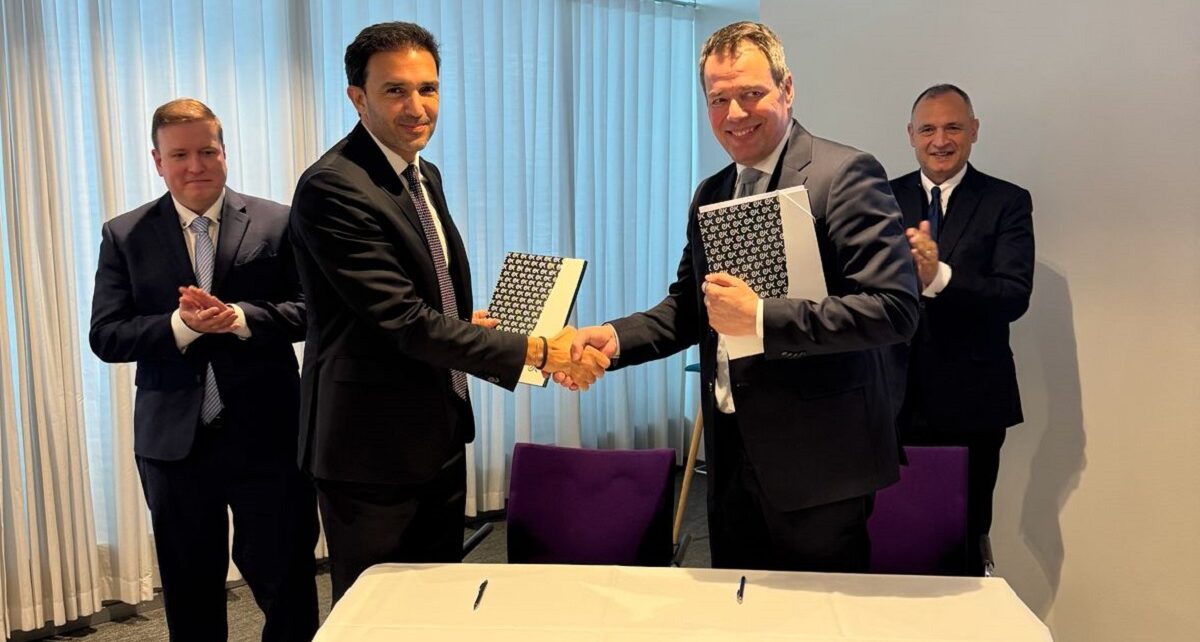
Morocco and Finland Launch Business Council in Helsinki


Marrakesh will host the Morocco Energy & Sustainability Week 2026 from June 30 to July 1, bringing together senior stakeholders from Morocco's rapidly evolving energy sector and international partners for two days of focused conferences, workshops, and bilateral meetings organized by IN-VR under its Net-Zero Circle platform. The two-day programme is structured around Morocco's most strategic energy themes. Day One will focus on solar energy, project financing, green hydrogen, and wind power. Day Two will address water-energy intersections, energy transition pathways, and circular economy opportunities. Green hydrogen has emerged as a particular focus of international investor attention, with Morocco's exceptional solar and wind resources, large available land areas, and proximity to European markets positioning the country as a potentially world-class green hydrogen producer. The event will also provide a platform for B2B and B2G meetings, enabling project developers, investors, technology providers, and government officials to establish the partnerships needed to turn Morocco's clean energy ambitions into bankable projects. Morocco's energy transition is recognized internationally as one of the most ambitious and credible in the developing world, with a robust regulatory and institutional framework for private investment in renewables.

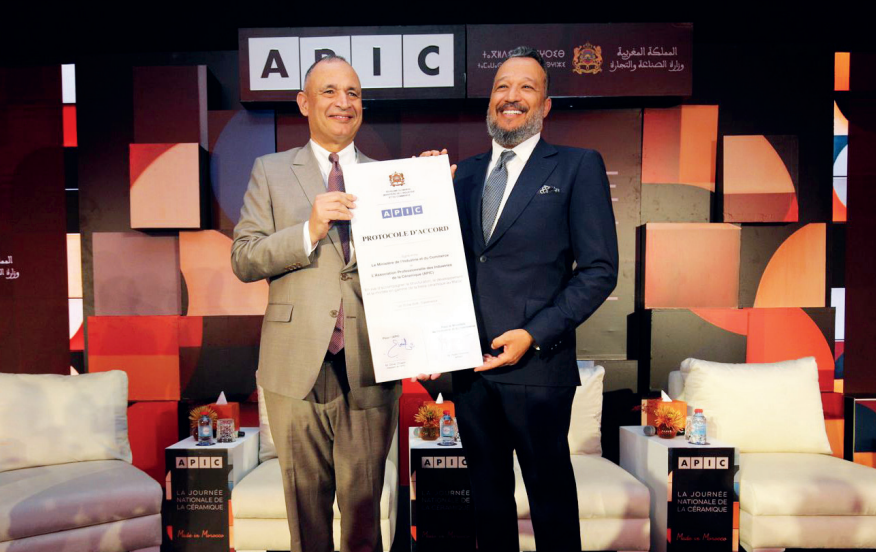
Morocco's Professional Association of Ceramic Industries (APIC) and the Ministry of Industry and Trade signed a landmark strategic framework agreement at the inaugural National Ceramics Day in Casablanca, formalizing a comprehensive 2026β2030 Ceramic Accord designed to transform one of the country's most historically embedded industrial sectors. Industry and Commerce Minister Ryad Mezzour presided over the signing ceremony alongside leading figures from the ceramics industry, architecture, design, and academia. In a symbolic gesture that drew applause from attendees, the protocol was signed directly on a ceramic tile β a nod, according to organizers, to "an industry deeply rooted in Moroccan know-how and resolutely oriented toward the future." The Accord is structured around five strategic axes: industrial competitiveness, energy efficiency, market structuring, quality upgrading, and innovation. Omar Chaabi, President of APIC, argued that Morocco's ceramic sector now possesses the industrial foundations needed to make a decisive leap forward, and that the key challenge is building a coherent joint public-private trajectory to get there. Minister Mezzour acknowledged the sector's progress, praising operators for their creativity and upgrading efforts, as well as their role in structuring the downstream ecosystem of installers and distributors. He described ceramics as "an integral part of the kingdom's civilizational heritage" that Morocco has successfully integrated into a modern industrial system. The National Ceramics Day itself brought together industrialists, architects, designers, academics, and public officials around themes including the revaluation of Moroccan ceramics, quality standards, energy efficiency, import competition, and export prospects. Moroccan ceramic exports have been growing steadily, and the new Accord is expected to accelerate the sector's international positioning significantly by 2030.

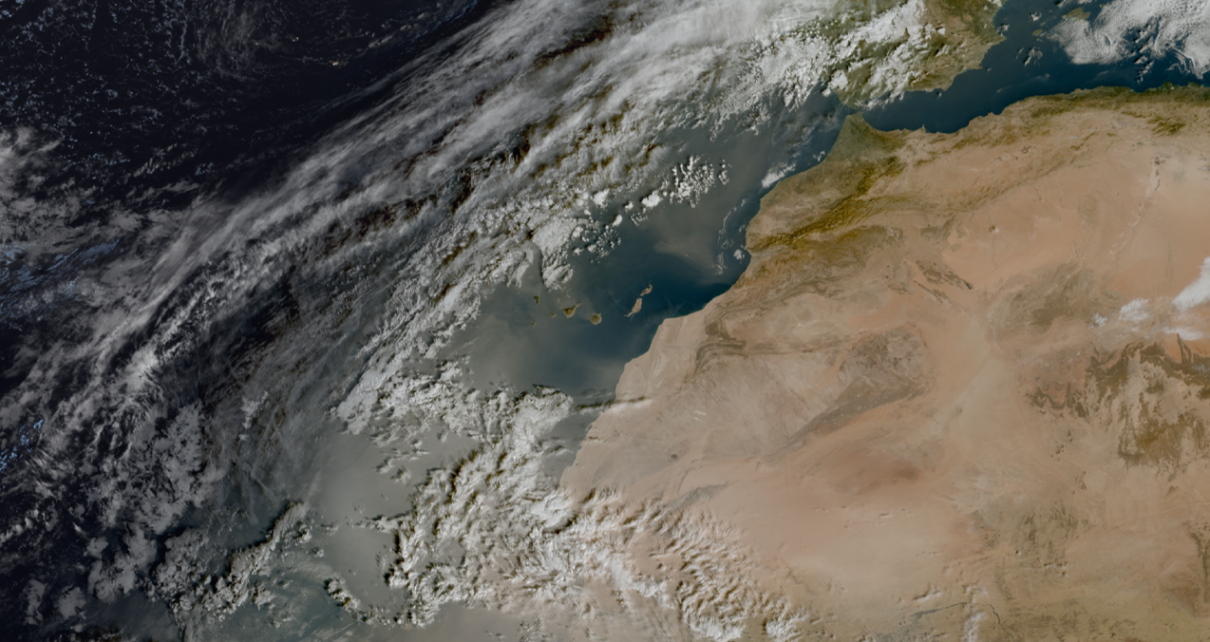
Morocco announced a comprehensive new cross-ministerial climate framework on Friday, signaling a significant escalation in the country's ambition to meet its renewable energy and emissions reduction targets. The framework was developed jointly by the Ministries of Energy Transition, Industry, Agriculture, and Interior. The announcement came as Morocco prepares to submit its updated Nationally Determined Contribution (NDC) to the UNFCCC. The country currently targets 52% of electricity generation from renewable sources by 2030, with carbon neutrality by 2050. Central to the new framework is an expansion of Morocco's solar and wind energy program, with 9.4 gigawatts of new renewable capacity either under construction or in advanced development stages. The framework also addresses climate adaptation measures, including water resource management, agricultural resilience, and coastal protection β priorities that have taken on new urgency following the severe droughts that affected Morocco between 2018 and 2025. International partners including the European Union, the World Bank, and the African Development Bank have pledged continued financial and technical support for Morocco's climate transition.