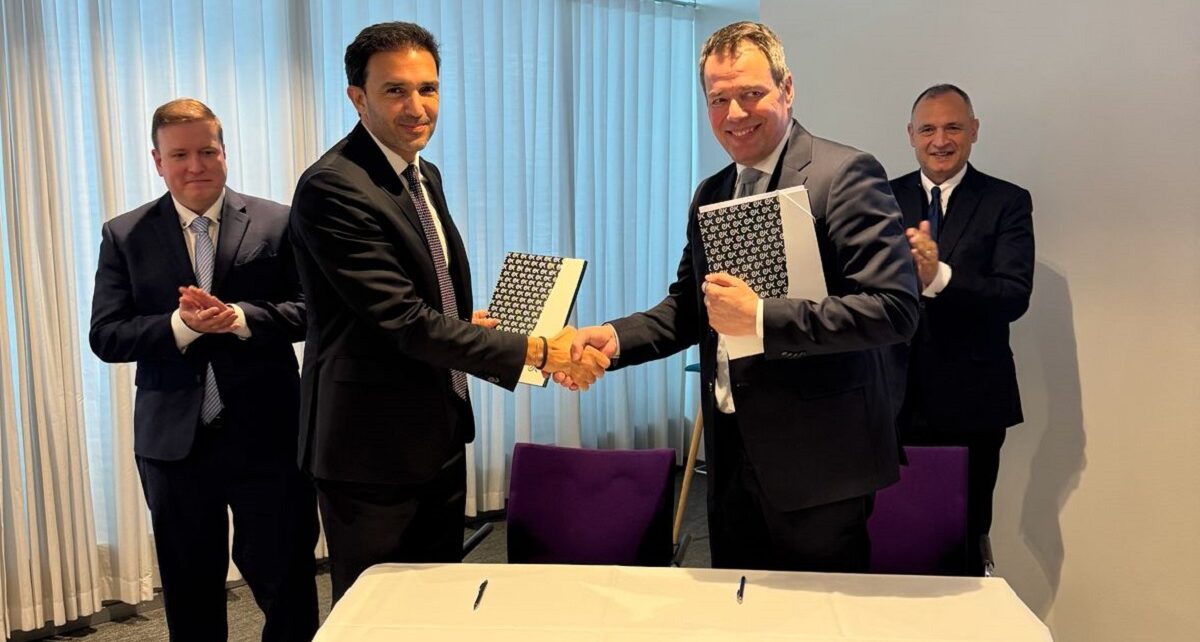
Morocco and Finland Launch Business Council in Helsinki


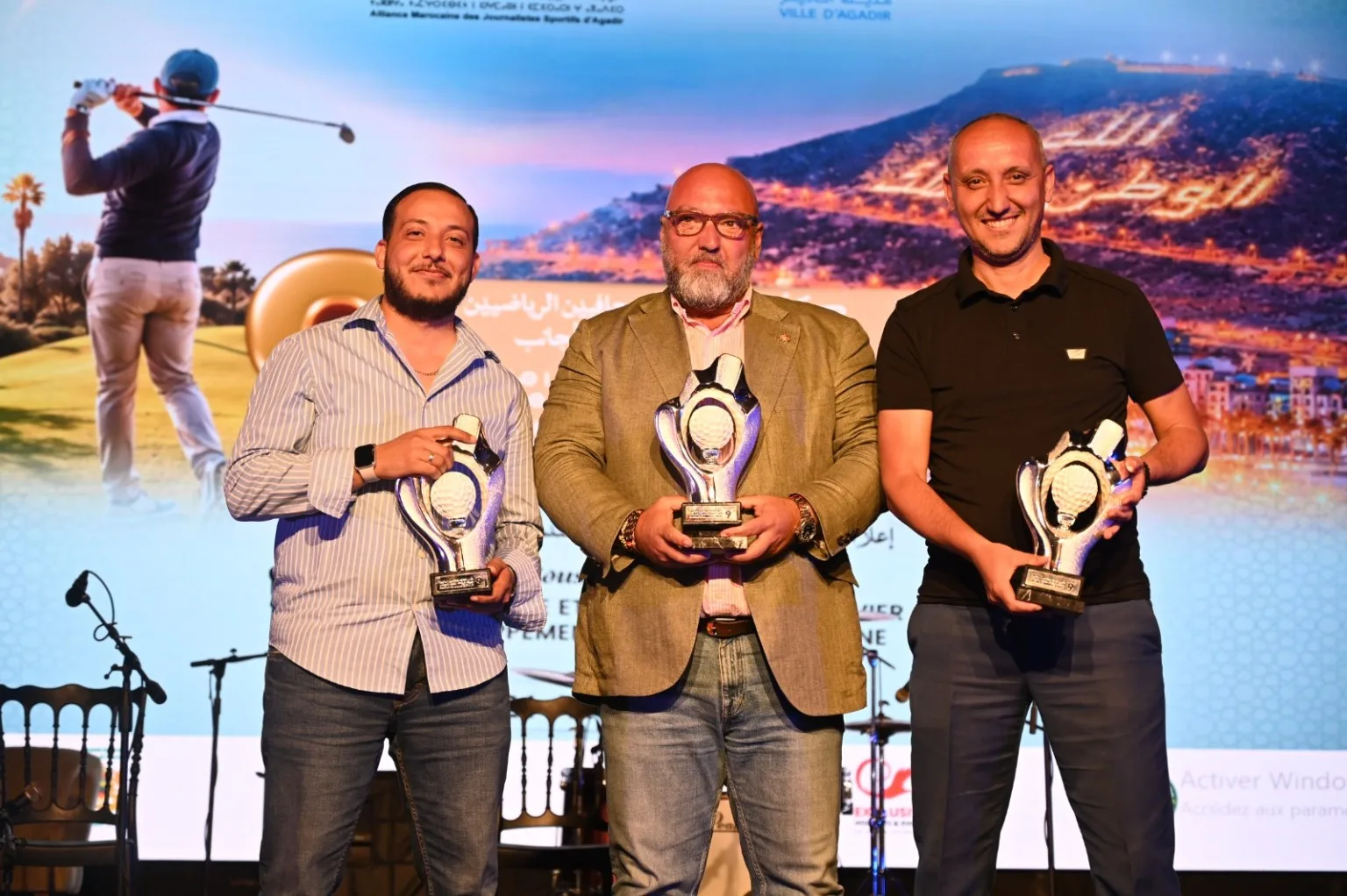
Agadir hosted the closing ceremony of the ninth edition of the Golf Cup for Sports Journalists on Saturday, bringing together media professionals, athletes, and public figures from Morocco and beyond in a celebration of sport and camaraderie. The three-day tournament took place at one of the city's premier golf courses and drew participants from across Morocco as well as international guests representing media organizations from Europe and Africa. The event, organized under the aegis of the Moroccan Sports Press Association, has grown significantly since its inaugural edition, establishing itself as a landmark in Morocco's sports media calendar. This year's edition was particularly notable for its international dimension, with journalists from Spain, France, and several sub-Saharan African countries joining their Moroccan counterparts on the greens. Beyond the competitive rounds, the Golf Cup served as a platform for dialogue between sports media professionals, fostering networks and discussing the evolving landscape of sports journalism in an era of digital transformation. A dedicated awards ceremony honored journalists and civil society figures who have made outstanding contributions to Moroccan sport over the past year. Organizers emphasized Agadir's growing reputation as a sports and tourism destination, with the city's coastline, climate, and world-class golf infrastructure making it an ideal host for international events. "Agadir is proving itself as a city capable of hosting events of the highest level," said the association's president in closing remarks. The success of this edition has strengthened the case for Morocco's broader ambitions in sports tourism, a sector expected to receive significant investment as the country prepares to co-host the 2030 FIFA World Cup with Spain and Portugal.

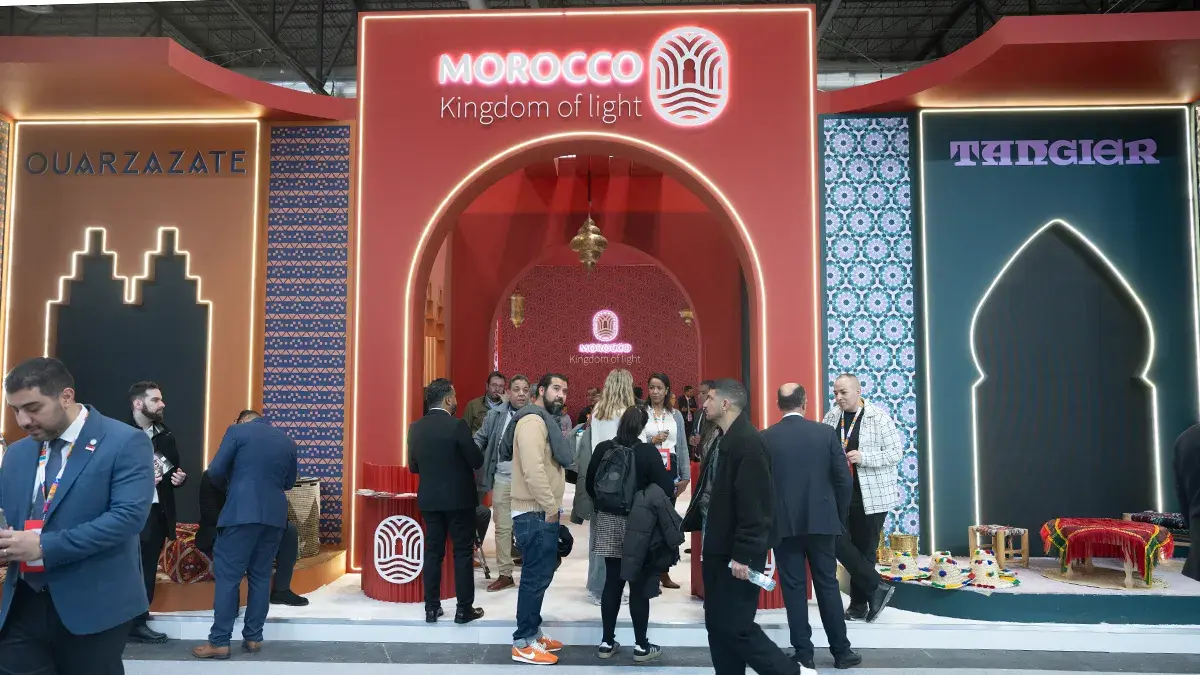
Morocco is investing $4 billion to expand its hotel capacity by 20% ahead of co-hosting the 2030 FIFA World Cup with Spain and Portugal, targeting the addition of 25,000 new hotel rooms by the tournament date. The construction pipeline encompasses a broad spectrum of accommodation categories, from luxury five-star resorts in Marrakech and Casablanca to mid-range business hotels in Tangier, Agadir, and Rabat. Developers from Europe, the Gulf, and Asia are competing for prime sites. The IMF has projected that Morocco's economy will grow by 4.4% in 2026, providing a favorable backdrop for the hospitality investment wave. Hotel construction is now one of the fastest-growing segments of Morocco's construction sector. Beyond accommodation, Morocco is investing heavily in transport infrastructure. A new terminal at Mohammed V International Airport in Casablanca aims to triple capacity from 15 million to 35 million passengers annually. Industry experts note that Morocco's hospitality sector is increasingly attracting major international brands, with chains such as Marriott, Hilton, and Accor all announcing new properties in the country.

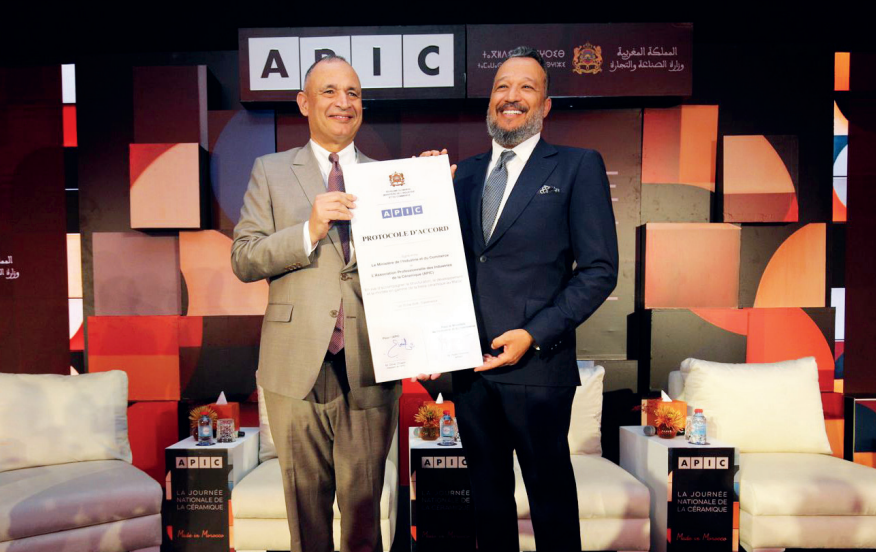
Morocco's Professional Association of Ceramic Industries (APIC) and the Ministry of Industry and Trade signed a landmark strategic framework agreement at the inaugural National Ceramics Day in Casablanca, formalizing a comprehensive 2026β2030 Ceramic Accord designed to transform one of the country's most historically embedded industrial sectors. Industry and Commerce Minister Ryad Mezzour presided over the signing ceremony alongside leading figures from the ceramics industry, architecture, design, and academia. In a symbolic gesture that drew applause from attendees, the protocol was signed directly on a ceramic tile β a nod, according to organizers, to "an industry deeply rooted in Moroccan know-how and resolutely oriented toward the future." The Accord is structured around five strategic axes: industrial competitiveness, energy efficiency, market structuring, quality upgrading, and innovation. Omar Chaabi, President of APIC, argued that Morocco's ceramic sector now possesses the industrial foundations needed to make a decisive leap forward, and that the key challenge is building a coherent joint public-private trajectory to get there. Minister Mezzour acknowledged the sector's progress, praising operators for their creativity and upgrading efforts, as well as their role in structuring the downstream ecosystem of installers and distributors. He described ceramics as "an integral part of the kingdom's civilizational heritage" that Morocco has successfully integrated into a modern industrial system. The National Ceramics Day itself brought together industrialists, architects, designers, academics, and public officials around themes including the revaluation of Moroccan ceramics, quality standards, energy efficiency, import competition, and export prospects. Moroccan ceramic exports have been growing steadily, and the new Accord is expected to accelerate the sector's international positioning significantly by 2030.