Morocco’s live music scene
Maria
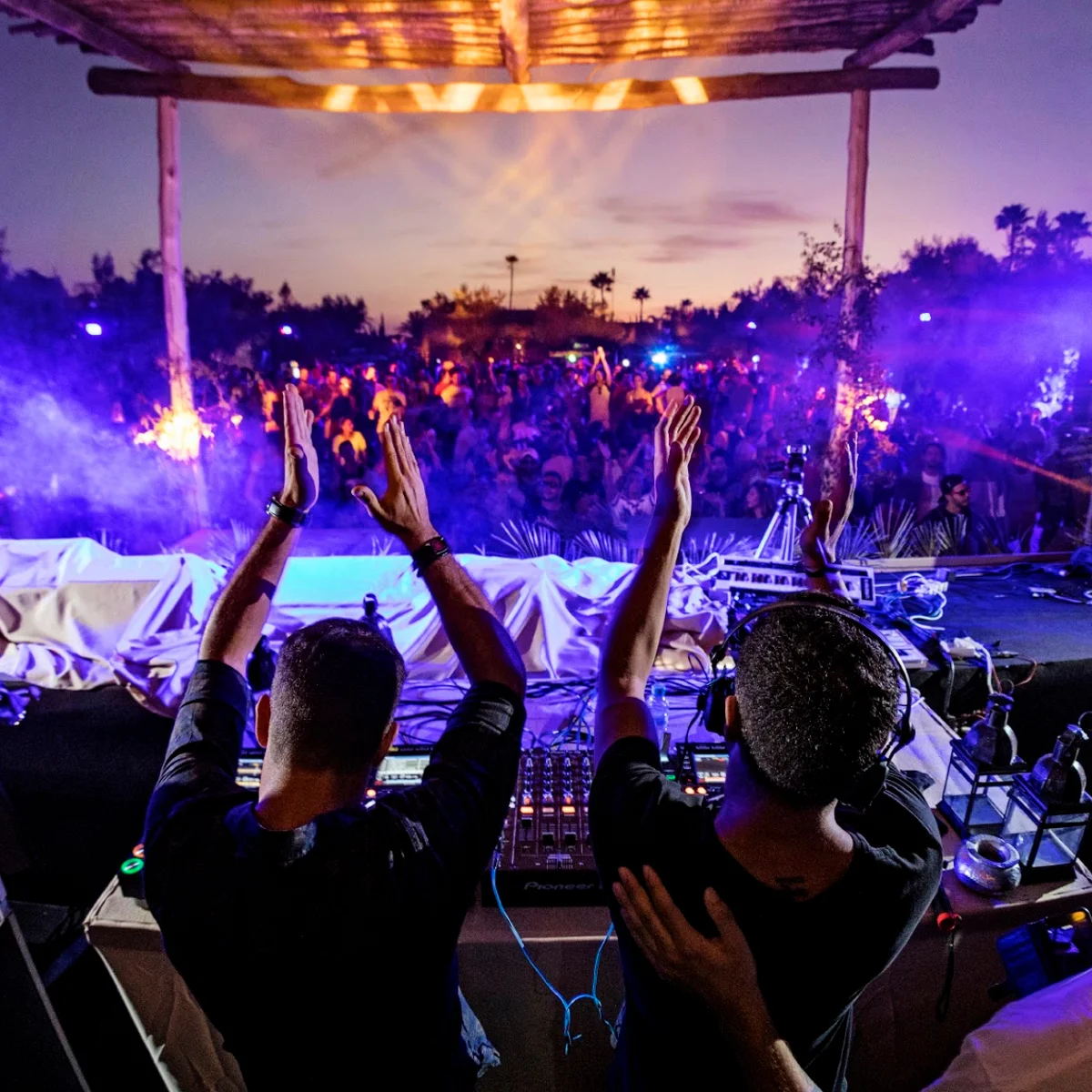
Morocco’s live music scene has been steadily growing, and its latest major pop concert drew thousands of fans to the country’s coastal venues, confirming once again that North Africa is becoming a key stop on the global touring map.[2] The event brought together high-energy performances, cutting-edge stage production, and a distinctly Moroccan crowd atmosphere that blended local culture with international pop trends. A Festival-Style Pop Experience on Morocco’s Coast The latest large-scale pop event formed part of a broader summer concert series that travels through several Moroccan coastal cities over multiple weeks, turning beaches and seafronts into open-air stages.[2] The series, now in its 21st edition, stretches from mid-July to late August and is designed as a free or low-cost live music experience accessible to a wide audience.[2] While the line-up includes artists from a range of genres, pop acts have become the strongest draw, attracting young fans from across the country. According to coverage of the festival, stages are set up in multiple cities, allowing artists to perform in Casablanca, Rabat, Tangier, Agadir, and other coastal spots as the event moves along the Atlantic and Mediterranean shorelines.[2] Each stop effectively feels like a one-night pop festival, with headliners, supporting acts, and DJs playing late into the night. Line-Up: Moroccan Pop Meets Global Sounds The concert’s programming reflects the broader evolution of Morocco’s music landscape, where pop now sits alongside traditional chaabi, Amazigh music, and hip-hop as a mainstream force.[3] Local pop performers who blend Arabic, French, and English lyrics have become the backbone of these shows, often backed by full bands and dancers. The festival format also leaves room for international artists touring the region, although their presence can vary year to year depending on tour schedules and budgets.[2] Among the acts that have helped shape the current scene are Moroccan DJs and producers who bring pop-adjacent electronic sets to the stage, turning portions of the night into a hybrid pop–EDM party. Listings for upcoming events in cities like Marrakesh highlight performers such as Cee ElAssaad and Enzo Siffredi, whose sets, while rooted in house and electronic music, share the same dance-focused energy as mainstream pop shows.[1] Their popularity underscores how audiences in Morocco move fluidly between genres, as long as the music is melodic and club-ready. Stage Design, Sound, and Production Quality Production values at Morocco’s latest major pop concert matched those of mid-scale European summer festivals. The coastal festival series features large professional stages, LED screens, and programmed light shows synchronized with the music.[2] Environmental factors—especially strong sea breezes—can complicate sound engineering at beach sites, but organizers have invested in powerful PA systems and experienced technicians to maintain clarity and volume over large open areas.[2] Stage design emphasizes openness and visibility, with elevated platforms providing sight lines from far back on the beach. Screens on both sides of the main stage broadcast close-ups of singers, drummers, and dancers, making it possible for fans at a distance to stay visually engaged. The atmosphere once the sun sets—colored beams, video backdrops, and moving lights sweeping across the sea mist—amplifies the sense of a world-class pop spectacle. Crowd Atmosphere: Youth Culture on Display The crowd at the latest pop concert was dominated by teenagers and people in their 20s, many of whom traveled from inland cities to catch the coastal shows.[2] Families with children also attended, taking advantage of the open-air, public setting. According to reporting on the beach festival series, security and crowd management have become more structured over the years, with designated areas, barriers, and controlled entry points to keep large gatherings safe.[2] The mood, however, remains informal and celebratory. Concertgoers often arrive hours early to claim spots near the front, and waves of smartphone lights accompany slower ballads and emotional pop anthems. Chants of artists’ names, call-and-response sections during choruses, and spontaneous group dancing reflect a participatory culture more common to festivals than to seated indoor shows. In some performances in Rabat, for example, local musicians have encouraged the audience to clap and sing along with familiar melodies, blending concert and communal celebration.[5] Integration of Local Culture While international-style pop dominates the bill, organizers regularly incorporate Moroccan elements into the program. Coverage of events across the country notes that evening shows frequently feature traditional music, Amazigh rhythms, or folkloric dance as part of the entertainment mix, particularly in tourist-focused experiences.[3] This pattern appears in larger coastal concerts as well, where opening acts or interludes may feature local percussion ensembles or fusions of pop with gnawa or chaabi influences. This cultural layering is not cosmetic; it helps ground an otherwise globalized pop sound in its local context. Audiences respond strongly when familiar rhythms or traditional instruments like the guembri appear in arrangements, even when the main structure of the song remains firmly in the pop idiom. The result is a musical identity that is recognizably Moroccan yet in constant conversation with international trends. Economic and Cultural Impact The latest large pop concert, as part of the recurring beach festival, also has a clear economic dimension. By moving through multiple cities, the series supports seasonal tourism, food vendors, and local services in each stop.[2] Hotels, cafes, and beachfront businesses benefit from the influx of visitors, especially on performance nights. Culturally, such events function as platforms for emerging Moroccan pop and electronic artists. Listings for Marrakesh and other cities show a growing roster of local performers booked regularly at clubs and venues, signaling that the concert ecosystem extends beyond a single festival season.[1][3] Exposure at big coastal shows can lead to additional bookings, collaborations, and festival invitations in other parts of the country. Morocco’s Place on the Global Pop Touring Map While Morocco is best known internationally for major events like the Mawazine festival in Rabat, which has historically hosted global pop stars, the current generation of coastal pop concerts and regional festivals demonstrates a shift from one-off mega-events to a more sustained annual circuit.[2][3] Upcoming calendars list multiple concerts, festivals, and cultural nights around the country, spanning genres from rock and pop to jazz and hip-hop.[1][3] The latest beachside pop concert, therefore, is not an isolated event but part of an expanding infrastructure of live music in Morocco. As organizers refine production, cultivate local talent, and attract larger crowds, Morocco’s coastal stages are increasingly positioned to welcome more international pop tours alongside homegrown stars.