Morocco Becomes Africa's #1 Must-Visit Destination in 2026


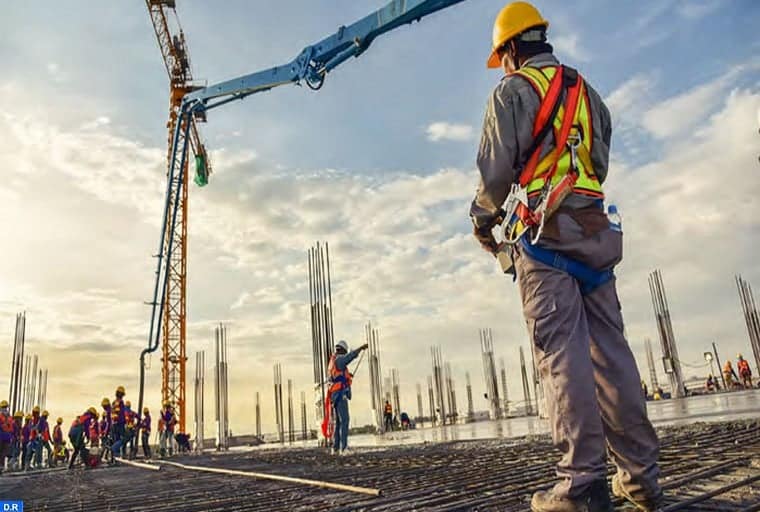
Morocco's construction sector is on course to expand by 4.1% in 2026, driven by FIFA World Cup 2030 infrastructure preparation, renewable energy project development, and urban housing demand. The sector is forecast to grow at an average annual rate of 3.5% through 2030. The renewable energy component is particularly significant. Morocco has committed to installing 9.4 gigawatts of new renewable capacity by 2030, with 3.3 gigawatts already under active construction, representing an investment of approximately MAD 110 billion ($11.3 billion). World Cup infrastructure investment is running parallel to the energy buildout, with Morocco accelerating the development of stadiums, training facilities, and transport links in host cities including Casablanca, Marrakech, Rabat, Tangier, Agadir, and Fez. The residential construction segment is also robust, with Morocco's growing urban middle class driving demand for new housing. Government-backed affordable housing programs are adding tens of thousands of units annually. Construction sector employment is expected to grow alongside output, with the industry absorbing a significant share of Morocco's young workforce.

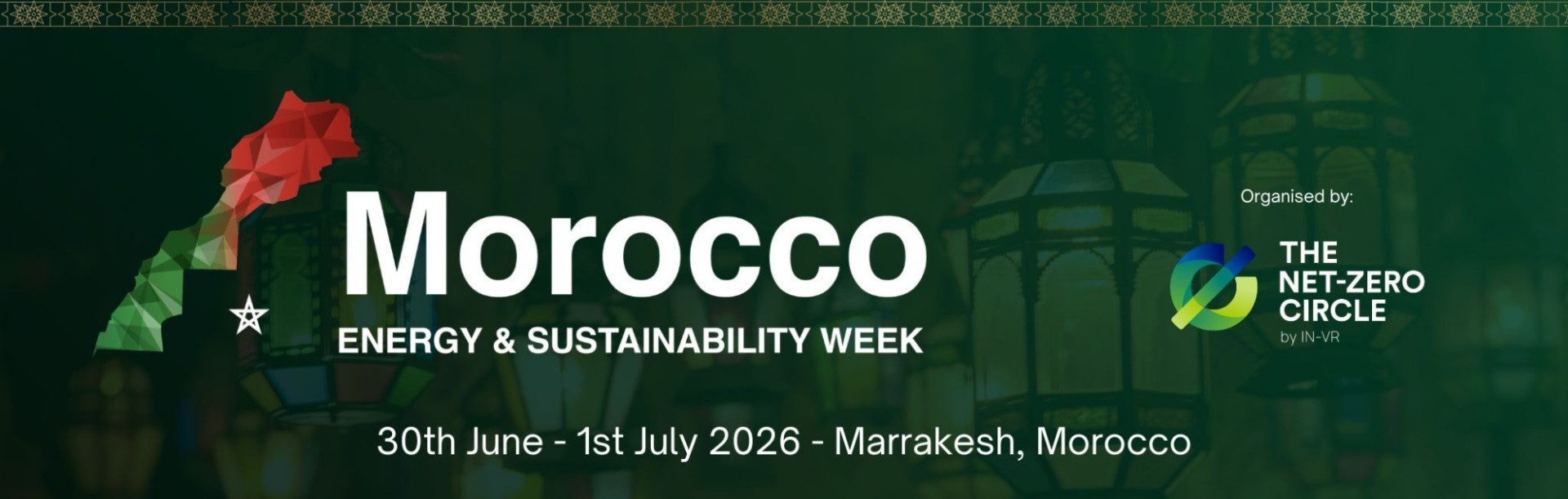
Marrakesh will host the Morocco Energy & Sustainability Week 2026 from June 30 to July 1, bringing together senior stakeholders from Morocco's rapidly evolving energy sector and international partners for two days of focused conferences, workshops, and bilateral meetings organized by IN-VR under its Net-Zero Circle platform. The two-day programme is structured around Morocco's most strategic energy themes. Day One will focus on solar energy, project financing, green hydrogen, and wind power. Day Two will address water-energy intersections, energy transition pathways, and circular economy opportunities. Green hydrogen has emerged as a particular focus of international investor attention, with Morocco's exceptional solar and wind resources, large available land areas, and proximity to European markets positioning the country as a potentially world-class green hydrogen producer. The event will also provide a platform for B2B and B2G meetings, enabling project developers, investors, technology providers, and government officials to establish the partnerships needed to turn Morocco's clean energy ambitions into bankable projects. Morocco's energy transition is recognized internationally as one of the most ambitious and credible in the developing world, with a robust regulatory and institutional framework for private investment in renewables.

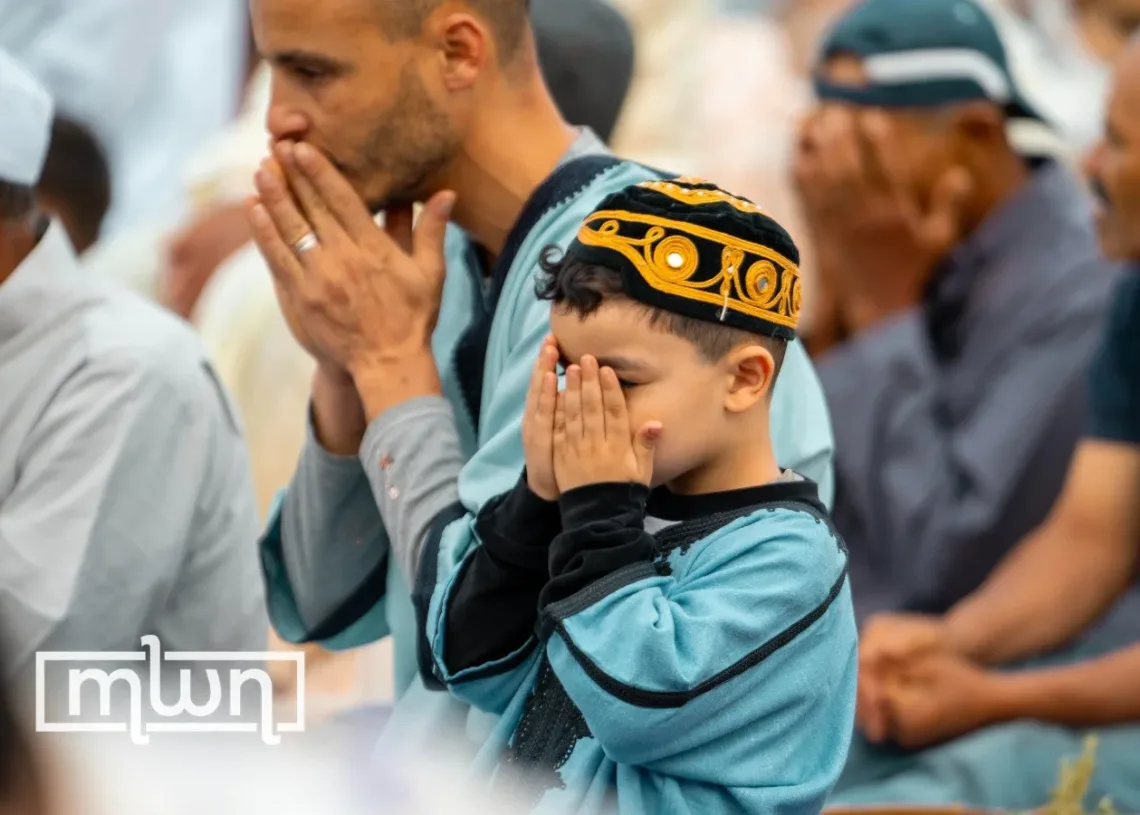
Morocco observed Eid Al Adha on Tuesday, May 27, with millions of families across the country joining prayers, sharing meals, and performing the traditional sacrifice that marks one of Islam's holiest celebrations. Mosques in every city, town, and village filled to capacity for the morning prayer. The Ministry of Islamic Affairs confirmed the date following the official sighting of the crescent moon for Dhu al-Hijjah on Sunday evening. The announcement aligned Morocco with Saudi Arabia and several other Muslim-majority countries. Eid Al Adha commemorates Prophet Ibrahim's willingness to sacrifice his son Ismail in obedience to God's command. The tradition of sacrificing a sheep, lamb, goat, or cow remains central to the celebration. Families distributed portions to relatives, neighbors, and those in need. In preparation for the holiday, markets across Morocco were filled with livestock buyers, with the trade representing a significant economic moment for farmers and herders across the country's rural regions. For Morocco's sizable diaspora communities in Europe, North America, and beyond, Eid Al Adha 2026 was also an occasion to connect with family at home and maintain the cultural and religious ties central to Moroccan identity.