Managem Raises Stake in Tendrara Gas Concession to 75%


Moroccan mining and energy group Managem has increased its stake in the Tendrara gas concession in eastern Morocco to 75%, in a move described as a core part of its strategic pivot toward low-carbon energy diversification. The Tendrara gas field, located in the Figuig region near the Algerian border, has been a focus of exploration and development activity for several years. Independent energy assessments have identified significant gas reserves at the site, with potential for domestic supply and export. Company executives emphasized that the move is aligned with Morocco's broader National Energy Transition strategy, which targets over 52% of electricity generation from renewable sources by 2030. Natural gas is seen as a critical bridge fuel in this transition. The investment also reflects growing interest from international energy companies in Morocco's upstream gas sector, particularly as European nations seek to diversify away from Russian energy sources. Analysts noted that the Tendrara development, once operational at scale, could make a meaningful contribution to Morocco's energy security and help reduce the country's historically high dependence on imported fossil fuels.
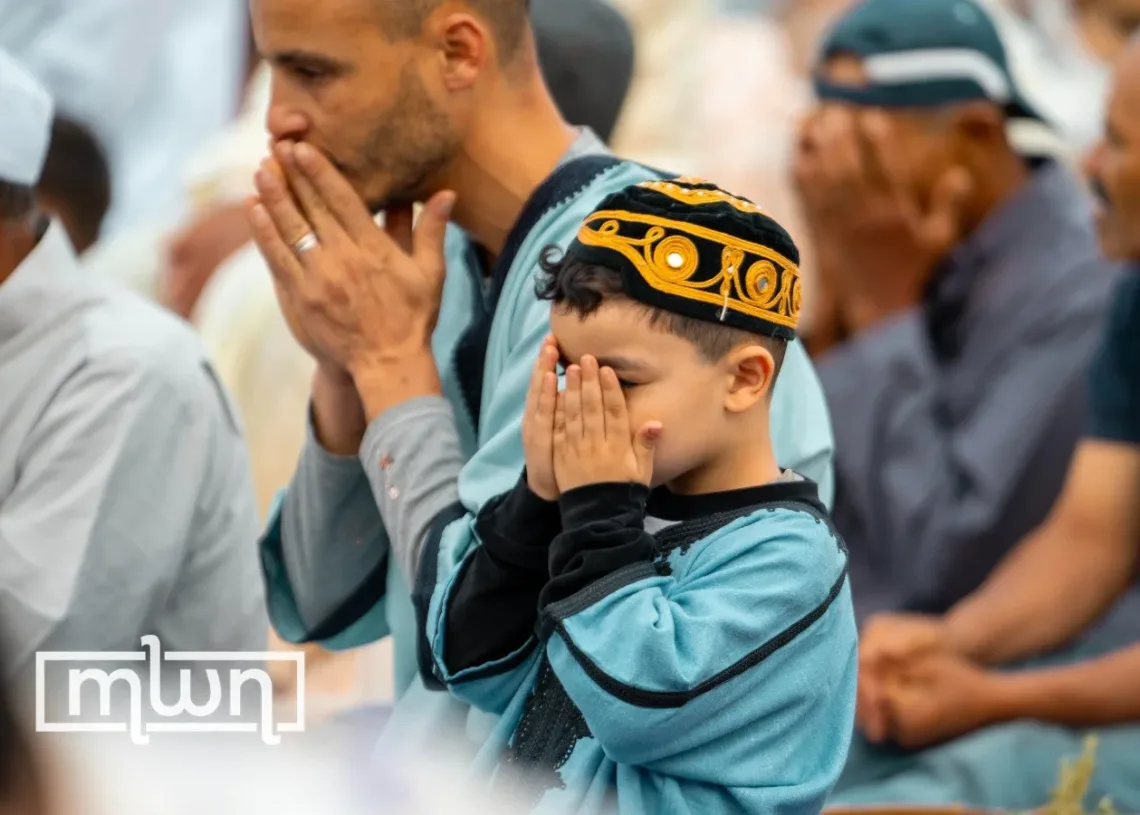
Morocco observed Eid Al Adha on Tuesday, May 27, with millions of families across the country joining prayers, sharing meals, and performing the traditional sacrifice that marks one of Islam's holiest celebrations. Mosques in every city, town, and village filled to capacity for the morning prayer. The Ministry of Islamic Affairs confirmed the date following the official sighting of the crescent moon for Dhu al-Hijjah on Sunday evening. The announcement aligned Morocco with Saudi Arabia and several other Muslim-majority countries. Eid Al Adha commemorates Prophet Ibrahim's willingness to sacrifice his son Ismail in obedience to God's command. The tradition of sacrificing a sheep, lamb, goat, or cow remains central to the celebration. Families distributed portions to relatives, neighbors, and those in need. In preparation for the holiday, markets across Morocco were filled with livestock buyers, with the trade representing a significant economic moment for farmers and herders across the country's rural regions. For Morocco's sizable diaspora communities in Europe, North America, and beyond, Eid Al Adha 2026 was also an occasion to connect with family at home and maintain the cultural and religious ties central to Moroccan identity.

Morocco announced a comprehensive new cross-ministerial climate framework on Friday, signaling a significant escalation in the country's ambition to meet its renewable energy and emissions reduction targets. The framework was developed jointly by the Ministries of Energy Transition, Industry, Agriculture, and Interior. The announcement came as Morocco prepares to submit its updated Nationally Determined Contribution (NDC) to the UNFCCC. The country currently targets 52% of electricity generation from renewable sources by 2030, with carbon neutrality by 2050. Central to the new framework is an expansion of Morocco's solar and wind energy program, with 9.4 gigawatts of new renewable capacity either under construction or in advanced development stages. The framework also addresses climate adaptation measures, including water resource management, agricultural resilience, and coastal protection — priorities that have taken on new urgency following the severe droughts that affected Morocco between 2018 and 2025. International partners including the European Union, the World Bank, and the African Development Bank have pledged continued financial and technical support for Morocco's climate transition.